Rising global uncertainty marked by geopolitical dynamics, disruptions in energy and food supply chains, and the rapid pace of digital transformation is pushing the global economy into increasingly complex and unpredictable territory. These conditions have significant implications for global energy stability, fertilizer supply chains, and food availability, requiring adaptive and well-calibrated policy responses from every country.
In this context, Indonesia has emerged as one of the more responsive nations in addressing global uncertainty, particularly by strengthening energy resilience through supply diversification strategies and reducing dependence on specific regions. One such effort includes expanding energy supply cooperation with various countries, such as Nigeria, Gabon, and other alternative partners, to ensure national energy security.
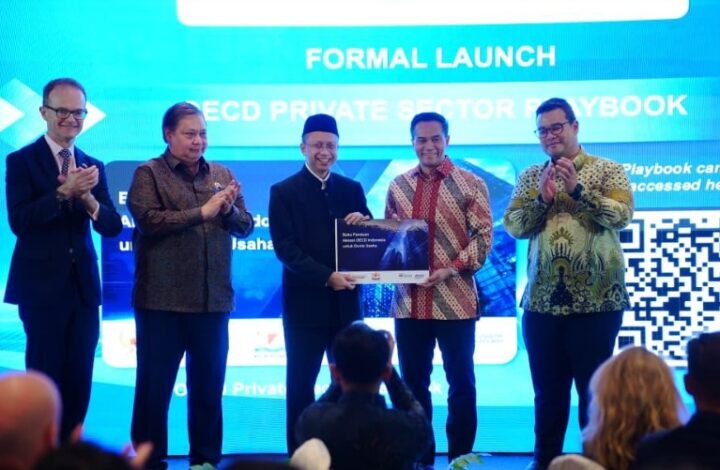
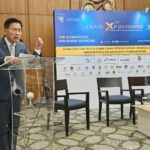
“In a global environment full of uncertainty, Indonesia must safeguard its national resilience through adaptive policies oriented toward long-term interests. Energy diversification, strengthening domestic capacity, and improving human capital are key to maintaining stability and driving sustainable economic growth,” said Coordinating Minister for Economic Affairs Airlangga Hartarto during the National Seminar on Indonesia OECD Accession & Private Sector Implications on Tuesday (April 21).
On the downstream side, Indonesia is also optimizing regional cooperation to secure refined fuel supplies, while increasing domestic production capacity and accelerating biofuel utilization through higher biodiesel blending mandates. These policies are expected to reduce import dependency while strengthening national energy resilience. In addition, the implementation of the Domestic Market Obligation (DMO) policy, along with a diversified energy mix, helps maintain price stability, preventing global commodity price fluctuations from directly impacting the public.
Beyond the energy sector, Indonesia is reinforcing food and fertilizer resilience by controlling gas prices for fertilizer production and boosting domestic production capacity. The country has even recorded a surplus in certain fertilizer products and has begun meeting export demand from several countries. These efforts reflect lessons learned from past global crises, including the pandemic, aimed at building stronger national resilience.
Looking ahead, Indonesia is targeting accelerated economic growth to achieve its vision of becoming a high-income country by 2045. This is supported by strengthening domestic consumption as the main driver of the economy, as well as improving human capital through education development and global collaboration. The government is also promoting the development of future economic sectors based on technology, including the semiconductor ecosystem and digital transformation, as new pillars of national economic growth.
One of the government’s key strategic initiatives to support the Indonesia Emas 2045 vision is the country’s accession to the Organisation for Economic Co-operation and Development (OECD), which also serves as an accelerator toward becoming a developed nation. Alignment with OECD standards is expected to enhance the quality of policies and regulations in line with international best practices, thereby improving competitiveness, global credibility, and investor confidence. This effort will also encourage the inflow of quality investments, deepen trade, expand market access, and strengthen technological collaboration.
“OECD accession is a strategic effort to strengthen institutions and achieve inclusive and sustainable prosperity, in line with the national development agenda to accelerate reforms in the economic, governance, and social sectors, as well as to improve the quality of life of all Indonesians,” Airlangga explained.
Indonesia’s OECD accession process has made significant progress. Following the submission of the Initial Memorandum, the country has now entered the technical review phase—an intensive stage requiring strong inter-ministerial coordination, evidence-based responses, and the ability to translate OECD standards into practical and nationally relevant reforms. Going forward, the process will include deeper assessments of alignment with OECD standards, including through private sector engagement in fact-finding missions and targeted consultations to support the implementation of priority reforms.
Furthermore, Indonesia’s OECD accession represents a national effort that involves close collaboration between the public and private sectors, given the broad policy scope and its direct impact on the business landscape. The government will continue to promote strategic initiatives to strengthen understanding, enhance coordination, and foster collaboration among stakeholders in supporting the accession process.
The government is also working closely with the Indonesian Chamber of Commerce and Industry (KADIN) as the representative of the private sector to ensure that business perspectives are reflected at every stage of the OECD accession process. Private sector involvement is key to aligning reform priorities, ensuring policies are practical and implementable, and incorporating insights and opportunities from industry players to support more inclusive and impactful reforms.
On the same occasion, Airlangga also expressed appreciation for the support of the United Kingdom government in preparing for OECD accession through the Growth Gateway program, including strengthening institutional frameworks for the national team (PMO unit), enhancing public sector capacity, and reinforcing private sector engagement.
Among those in attendance were the British Ambassador to Indonesia and Timor-Leste, the Chairman of the Indonesian Chamber of Commerce and Industry (KADIN), the Head of the OECD Jakarta Office, and the Deputy for Investment and Cooperation Coordination at the Coordinating Ministry for Economic Affairs.